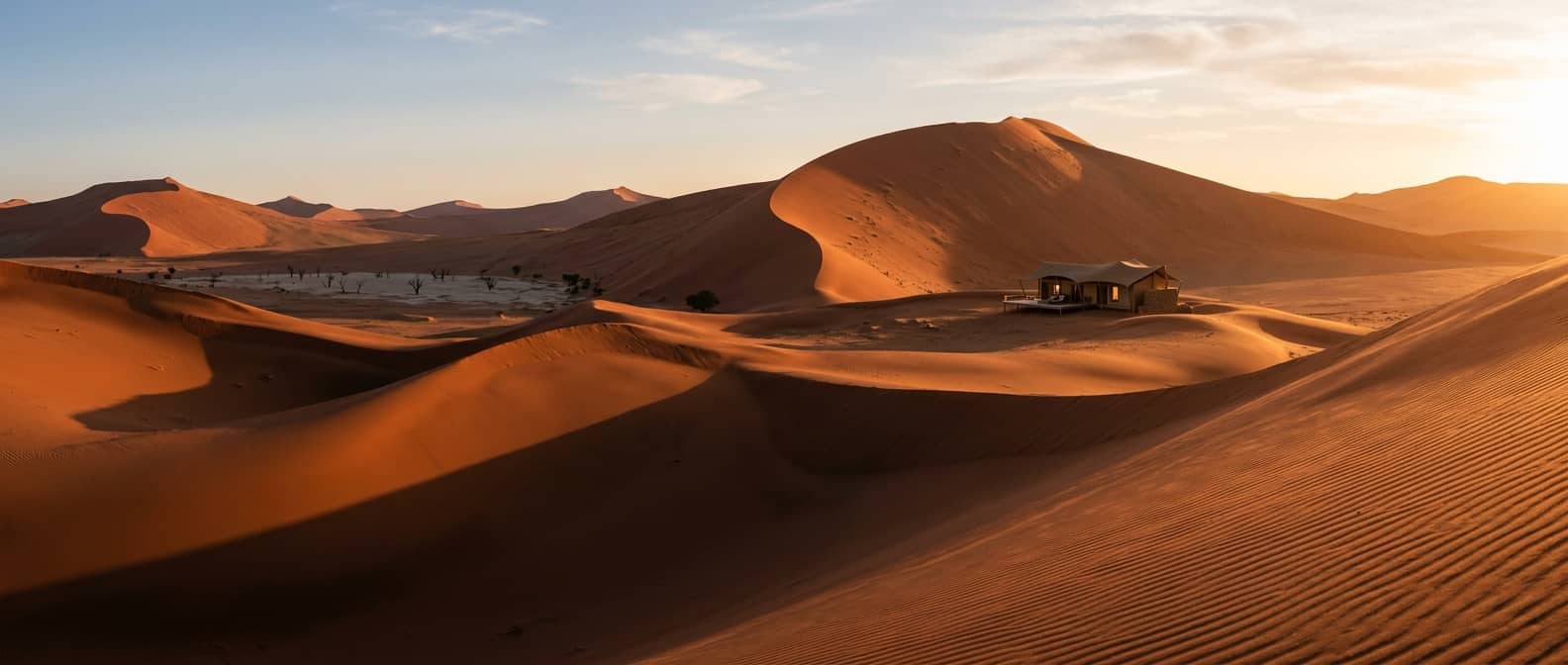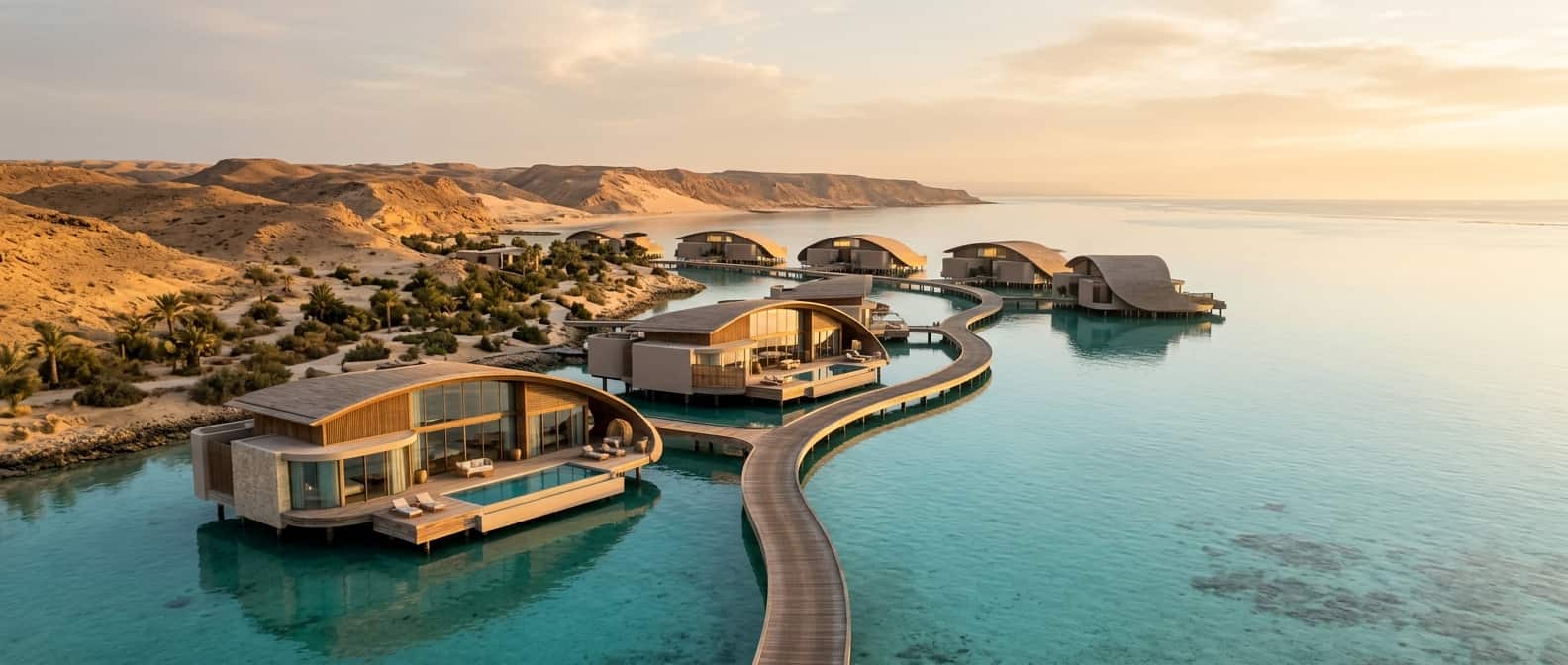
The light on the western coast of Saudi Arabia has a specific, unblemished quality. It catches the geometric sweep of overwater villas and the stark, undulating dunes of the surrounding desert, casting long shadows across waters that have remained largely undisturbed for centuries. For the affluent traveler weary of the familiar transit routes through the Maldives and the Seychelles, the arrival of the Red Sea Project signals a permanent shift in the geography of global luxury. This is not just a new destination; it is an entirely new coastline, engineered from the sand up to redefine the limits of hospitality.
The New Archipelago
Stretching across 28,000 square kilometers of pristine ocean and archipelago, the Red Sea is an undertaking of staggering ambition. It is a landscape defined by contrasts—dormant volcanoes and sweeping desert canyons inland, giving way to a network of more than ninety untouched islands. Until now, this coastline was known only to local fishermen and the occasional expedition diver. Today, it stands as the vanguard of high-end travel, offering an exclusivity that is becoming increasingly rare. For the Indian traveler, the appeal is twofold: geographic proximity and an uncompromising standard of service that rivals the most established sanctuaries of the Indian Ocean.
Architectural Vanguard
The aesthetics of the Red Sea resorts are a masterclass in contextual design. At Nujuma, a Ritz-Carlton Reserve, the architecture draws explicitly from the elements. Shell-inspired roofs hover above the water, while the interiors employ indigenous materials to create spaces that feel both immensely luxurious and deeply rooted in their environment. Similarly, the St. Regis Red Sea Resort on Ummahat Island utilizes sweeping, aerodynamic forms designed by Kengo Kuma, reflecting the dunes and the sea. The visual language is quiet, restrained, and deliberately modern, appealing to an aesthetic sensibility that values space and silence over overt opulence.
The Regenerative Mandate
What separates the Red Sea from its predecessors is its foundational commitment to regenerative tourism. This is not a landscape merely attempting to limit its footprint; it is designed to leave the environment tangibly better than it found it. The entire destination operates completely off-grid, powered by one of the largest solar farms in the world. Single-use plastics are entirely absent. More importantly, the development footprint is capped at a fraction of the total area, ensuring the long-term protection of the region’s mangrove forests, hawksbill turtles, and thriving coral reefs. It is luxury delivered with absolute environmental accountability.
Above and Below the Blue
The waters of the Red Sea are renowned for their clarity and the vibrancy of their marine ecosystems. Because this area has been shielded from commercial tourism, the coral reefs are some of the most resilient and untouched on the planet. Guests can dive alongside eagle rays and spinner dolphins in waters that offer visibility often exceeding forty meters. Above the surface, the calm, sheltered lagoons provide the perfect conditions for sailing, kayaking, and paddleboarding. It is a sensory immersion into a marine world that feels entirely private, offering a stark counterpoint to the over-dived reefs of the wider region.
The Logistics of Arrival
Accessibility is central to the Red Sea’s appeal, particularly for the outbound Indian market. The newly opened Red Sea International Airport, designed by Foster + Partners, sets the tone before you even touch the ground. It functions more like a private terminal than a commercial hub, bypassing the friction of traditional transit. Direct flights and private aviation charters offer a seamless transition from the subcontinent to the coast. From the airport, transfers to the island resorts are conducted via a fleet of silent electric vehicles and sleek speedboats, ensuring the journey is as curated as the destination itself.
The Shift in Arabian Luxury
The opening of the Red Sea coast marks a significant evolution in Middle Eastern hospitality. It moves beyond the vertical skylines of the Gulf cities toward something more elemental, grounded in the natural world. It is a destination built for the quiet contemplation of light, water, and space. For the modern luxury traveler, it offers the ultimate commodity: a blank space on the map, executed with flawless precision.
Sources
- The Red Sea Project — Foundational details on the scale, off-grid solar power, and regenerative mandate of the Red Sea destination.
- Nujuma, a Ritz-Carlton Reserve — Context on the shell-inspired architecture and positioning of the region's premier luxury resort.
- St. Regis Red Sea Resort — Insights into the Kengo Kuma-designed overwater villas and the opening of Ummahat Island.