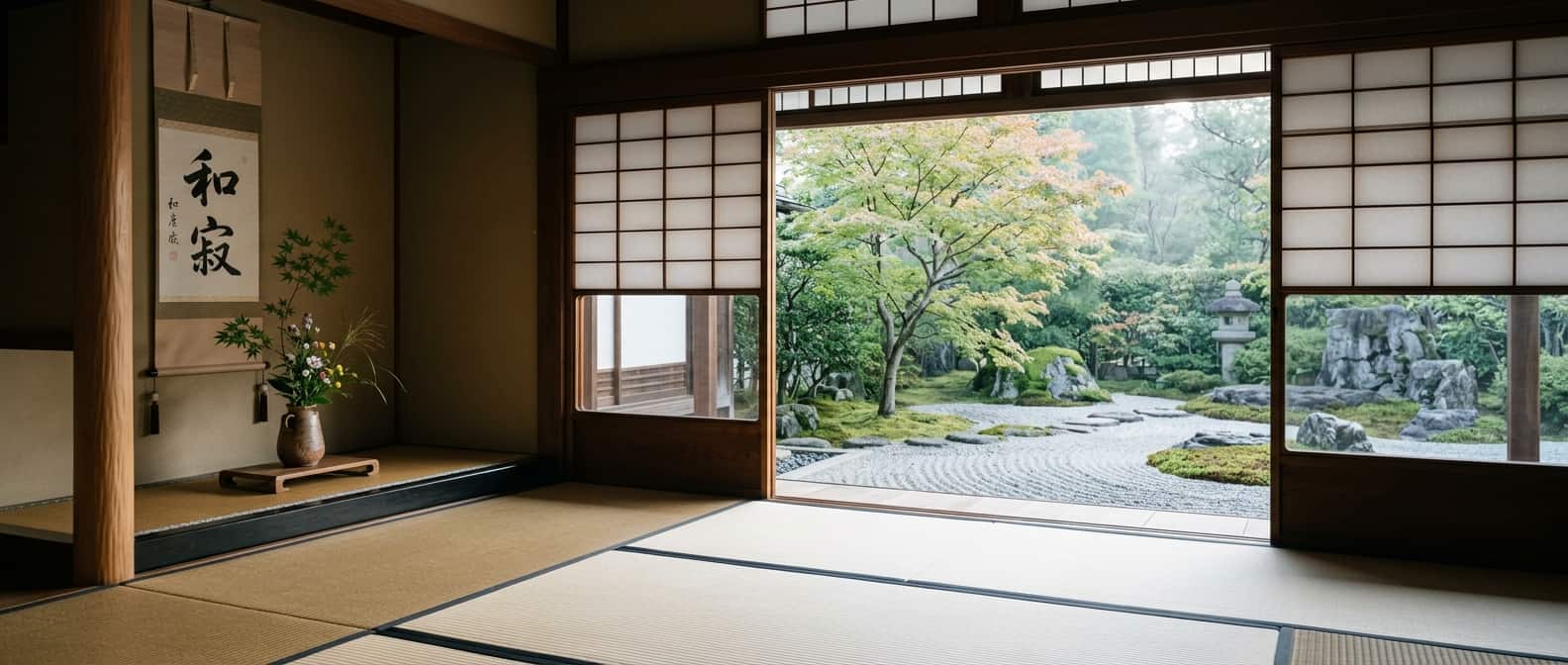
The first thing you notice is the silence. It is not an empty silence, but a textured one, composed of the whisper of a silk kimono, the soft thump of a wooden ladle on stone, and the distant chime of a wind bell. Outside, past the shoji screen, a single maple leaf, impossibly red, detaches from its branch and settles onto a bed of moss. This is the world of the ryokan, an experience that begins not with a check-in desk, but with a quiet, reverent bow.
For the Indian traveller accustomed to the grand gestures of five-star luxury—the soaring lobbies, the formal greetings, the sheer, reassuring presence of staff—the Japanese ryokan offers a different vocabulary of hospitality. It is a language of subtlety, of moments curated and then left to unfold. It is less a hotel and more a living gallery of Japanese aesthetics, a place where every object, from the ceramic tea cup to the scroll in the alcove, has been considered. To stay in one is not merely to sleep, but to participate in a centuries-old tradition of beauty and contemplation.
An Unspoken Welcome: Beyond the Noren Curtain
Your arrival is anticipated. As your car pulls into the gravelled drive, a figure emerges from behind the short, split curtains—the noren—that hang in the doorway. This is often the okami (the female proprietor) or a senior member of her staff, and she greets you not with a flurry of questions, but with a deep, graceful bow. You are ushered inside, your shoes exchanged for soft slippers, your luggage spirited away. There is no counter, no queue, no transactional exchange of credit cards. Instead, you are led to a low table, perhaps overlooking a garden, and served a welcome tea—often a delicate matcha—and a seasonal sweet, a wagashi.
This initial ritual sets the tone for everything that follows. It is an act of purification, a gentle transition from the outside world to the inner sanctum. The purpose is to make you feel like a guest in a private home, not a customer in a commercial establishment. It requires a recalibration of expectations. The luxury here is not in overt displays of opulence, but in the seamless, almost invisible, anticipation of your needs. The silence is an invitation to shed the noise of travel and attune your senses to the subtle rhythms of the inn.
The Room as a Viewing Device: Tatami, Tokonoma, and Transience
Your room is an exercise in minimalism, but it is far from empty. The floor is lined with woven tatami mats, their clean, grassy scent a form of natural aromatherapy. There is no clutter. The furniture is sparse: a low wooden table, some legless zaisu chairs, and perhaps a lacquered box. The focal point of the room is the tokonoma, an alcove where a single piece of calligraphy or a carefully chosen flower arrangement—ikebana—is displayed. This is not decoration; it is a point of meditation, a visual poem that changes with the seasons.
Everything in the room is designed to draw your attention outward, toward the view framed by the shoji screens. Whether it’s a private garden, a rolling hill, or a distant temple roof, the room itself is a viewing device. It is meant to foster a connection with nature and an appreciation for the transient beauty that the Japanese call mono no aware. Your bedding, a plush futon, is not laid out until the evening, stored away in discreet cupboards (oshiire) during the day to preserve the room’s uncluttered harmony. This emptiness is not a lack, but a presence. It is space for the mind to quiet, for the eye to rest, for a deeper sense of peace to settle in.
Kaiseki: A Culinary Meditation in Twelve Acts
Dinner at a ryokan is not a meal; it is a ceremony. Kaiseki is a multi-course dining experience that elevates Japanese cuisine to an art form, a delicate dance of flavour, texture, and presentation. Served in the privacy of your room by your dedicated attendant, or nakai-san, each course is a reflection of the current season, using ingredients at their absolute peak. The experience is as much a feast for the eyes as it is for the palate. Dishes arrive on a constellation of exquisite ceramics, lacquerware, and glassware, each piece chosen to complement the food it holds.
The progression is poetic. It might begin with a tiny, intricate appetizer (sakizuke), move to a clear, restorative soup (suimono), followed by impossibly fresh sashimi (otsukuri). Then come grilled dishes (yakimono), steamed courses (mushimono), and perhaps a simmered specialty (nimono). The meal unfolds over an hour or two, a deliberate, unhurried rhythm that encourages you to savour each bite. For the Indian palate, accustomed to a crescendo of spices, kaiseki offers a different kind of intensity—one found in the purity of a single ingredient, the subtle smokiness of grilled fish, or the clean, umami depth of a dashi broth. It is a lesson in culinary restraint and profound respect for nature's bounty.
The Ritual of the Bath: Onsen Etiquette and Contemplation
For many, the soul of the ryokan is the onsen, or natural hot spring bath. Whether a large, communal bath separated by gender or a private one attached to your room (rotenburo), the onsen is central to the experience of relaxation and renewal. There is, however, a strict etiquette. Before entering the mineral-rich water, you must first wash thoroughly. A row of low stools, wooden buckets, and handheld showers is provided for this purpose. You scrub and rinse completely before stepping into the bath, ensuring the water remains pure for everyone.
This act of cleansing is both physical and symbolic. Once in the steaming water, the goal is to simply be. The onsen is a place for quiet contemplation, not for swimming or conversation. You let the heat soak into your bones, easing the fatigue of travel, while you gaze at the surrounding nature—a bamboo grove, a starlit sky, a snow-covered landscape. It is a profoundly restorative ritual, a moment of connection to the volcanic earth that heats the water. It embodies the Japanese ideal of finding harmony between oneself and the natural world, a simple yet deeply luxurious act of self-care.
The Attentive Absence: On Nakai-san and Service
Throughout your stay, you are cared for by a single attendant, your nakai-san. She is your host, guide, and confidante, a figure of immense grace and discretion. She serves your meals, prepares your futon in the evening, and clears it away in the morning. She seems to appear just when you need her and melts into the background when you do not. This style of service, so different from the Western model of multiple, anonymous staff, fosters a personal connection.
The service is intuitive and deeply attentive, yet it is almost invisible. This is the "attentive absence." Your attendant anticipates your needs without you having to ask. Your tea pot is refilled. Your slippers are perfectly aligned when you return to your room. There is no grand performance, no expectation of constant praise. The reward is in the seamless execution of her duties, in contributing to your overall state of peace and contentment. It is a form of hospitality that feels both ancient and deeply personal, a reminder that the greatest luxury is to be cared for so completely that you are free to simply exist in the moment.