The air in the Norwegian fjords in winter has a quality one struggles to describe. It is not merely cold; it is crystalline. It carries the scent of pine and frozen earth and the distant, mineral tang of the sea. Sound travels differently here. The crunch of your boots on packed snow, the low groan of a distant glacier, the sigh of wind through a skeletal birch grove—each is amplified in the profound stillness. This is the essence of the stille sesong, the quiet season.
When the last of the summer cruise ships have departed and the hiking trails are mantled in white, the fjords return to themselves. The experience of this landscape, stripped to its monochrome essentials, is a form of luxury that has little to do with opulence and everything to do with space, silence, and solitude. For the Indian traveller accustomed to the vibrant saturation of home, this world of white and blue offers a powerful, restorative contrast. It is a journey not just to a place, but to a state of mind.
The Sound of Silence: Embracing the Fjord Winter
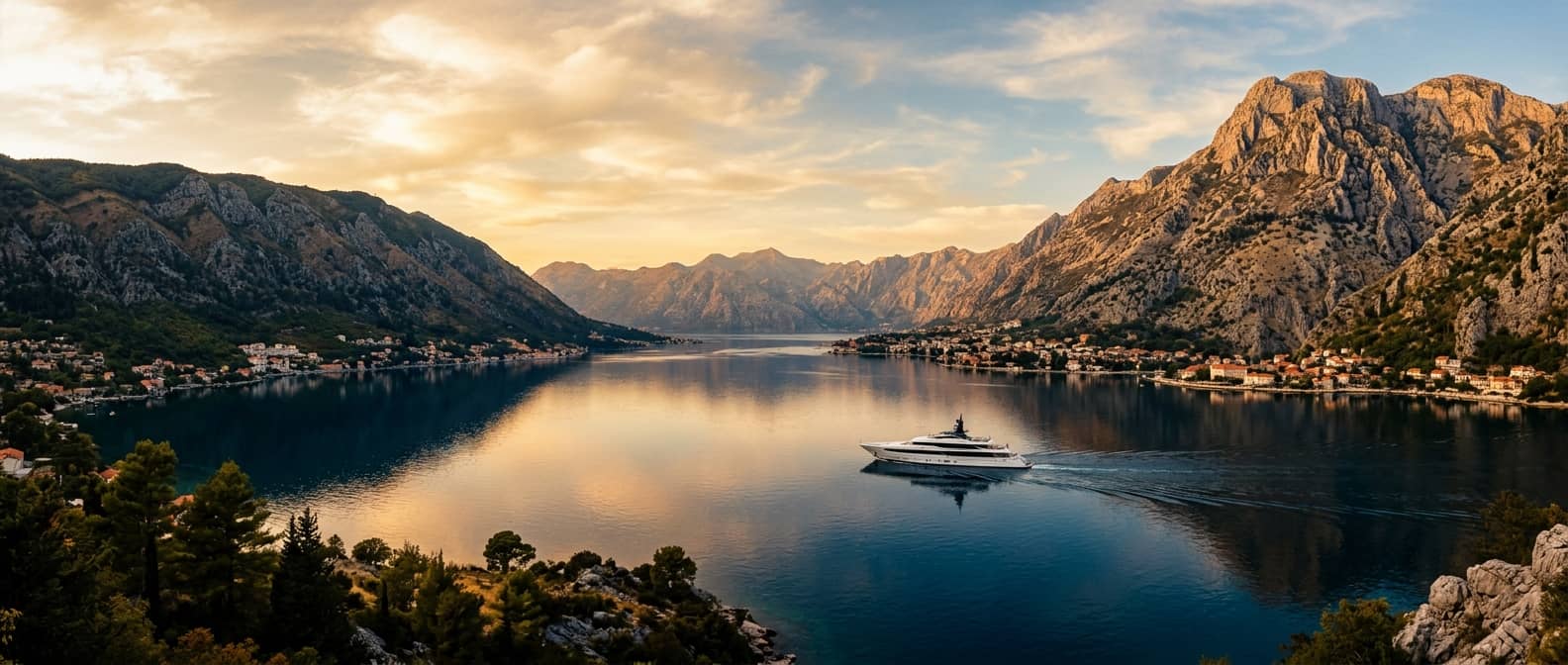
To travel to the fjords in winter is to seek a different kind of prize. The goal is not to see and do everything, but to feel a place in its most elemental state. The famous vistas—the Geirangerfjord, the Nærøyfjord—are still there, but their character is transformed. The sheer rock walls, now laced with ice, seem more imposing. The water, a deep, placid cobalt, holds a mirror to the spare beauty of the sky. There is a sense of the world holding its breath.
This quietude is the main attraction. It’s an opportunity to disconnect from the ceaseless hum of modern life. Days are short, measured in the slow arc of a low sun that casts long, dramatic shadows across the snow. The extended twilight, known as the ‘blue hour,’ bathes the landscape in a soft, ethereal glow that feels otherworldly. It’s a time for reading by a fire, for slow walks, for simply watching the light change. The experience recalibrates your internal rhythm, forcing a deceleration that is both jarring and deeply necessary. It is the ultimate antidote to burnout, a stillness that seeps into your bones.
Beyond the Aurora: Where to Stay for Absolute Solitude
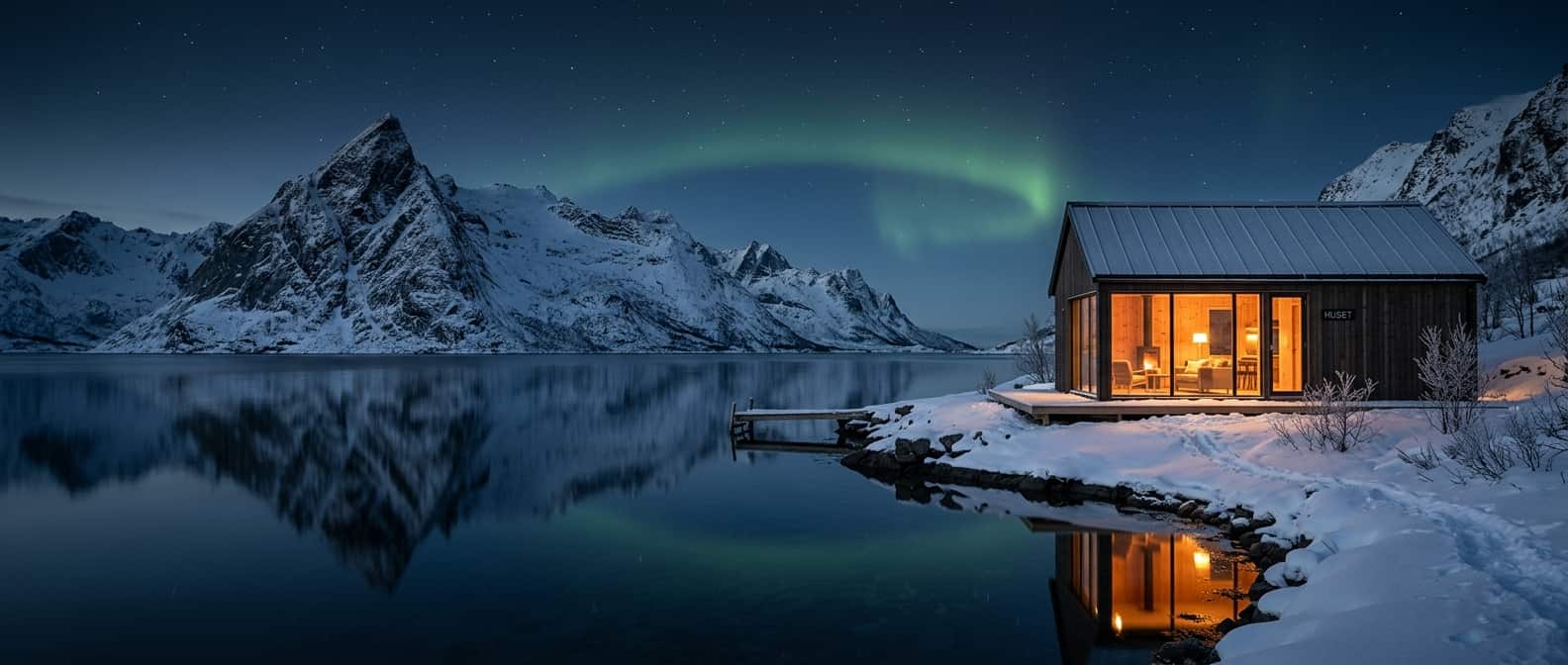
While the aurora borealis is a primary draw, the choice of accommodation defines the winter experience. This is not the time for grand, bustling hotels. The real luxury lies in finding a place that honours its surroundings, a sanctuary that blurs the line between inside and out. Seek out modern cabins and boutique lodges that prioritize panoramic views and minimalist design, allowing the landscape to be the star.
Consider the architect-designed cabins of Juvet Landscape Hotel, where each room is a cantilevered glass box set in a birch forest, offering immersive views of the valley. Or the sleek, sea-level apartments at Manshausen, where you can watch the drama of the winter sea from the warmth of your bed. These are not just places to sleep; they are destinations in their own right. They are designed for introspection, with clean lines, natural materials, and always, a fireplace. Booking a stay with a private sauna is essential—the Nordic ritual of moving from intense heat to the biting cold is a visceral, life-affirming shock to the system that leaves you feeling cleansed and utterly alive.
The Slow Route: Travel by Sea and Rail
Getting around the fjords in winter is an experience in itself. Forget rushed internal flights. This is a landscape best appreciated at a slower pace. The journey from Oslo to Bergen by train, the Bergensbanen, is routinely voted one of the most beautiful rail journeys in the world. In winter, it is magnificent. The train climbs from the city forests into the raw, windswept expanse of the Hardangervidda plateau, a high-altitude wilderness of ice and snow, before descending dramatically toward the coast.
From Bergen, the northbound coastal ferry, the Hurtigruten, offers a lifeline to the small communities dotted along the coast and a sublime way to witness the fjords. While it operates year-round, the winter voyage is quieter, more authentic. Watching the snow-dusted mountains glide by from the warmth of a panoramic lounge, stopping at tiny, lamplit ports, you gain a sense of the scale and rhythm of life in the north. It is a meditative form of travel, where the journey is not an interruption between destinations, but the destination itself.
Fire and Ice: Saunas, Seafood, and the Art of Kos
The Norwegian philosophy of kos (a word that loosely translates to a sense of coziness, intimacy, and warmth) is central to surviving—and thriving in—the winter. It is found in the simple pleasures: the flicker of candlelight against a dark window, the warmth of a wool blanket, a shared meal. And the food in winter is designed to create this feeling. It is hearty, honest, and deeply connected to the land and sea.
This is the season for the world’s best seafood. Skrei, the migratory Arctic cod, is at its peak. Shellfish like scallops and langoustines are plump and sweet. A simple meal of freshly steamed mussels or pan-fried cod with buttery potatoes, eaten in a rustic waterfront restaurant as snow falls outside, is an experience of pure comfort. Days are structured around these moments of warmth and sustenance—a morning coffee, a hearty lunch, and the evening ritual of the sauna, followed by a quiet dinner. It is a simple, satisfying rhythm that feels elemental and true.
Light and Shadow: A Photographer's Guide to the Winter Palette
For the photographer, the Norwegian winter is a gift. The challenges of cold and low light are rewarded with a visual palette of extraordinary subtlety and drama. The landscape is reduced to its essential forms: the dark, geometric lines of the mountains against the soft, unbroken white of the snow. The low sun creates a continuous ‘golden hour,’ casting warm light and long, elegant shadows that sculpt the terrain.
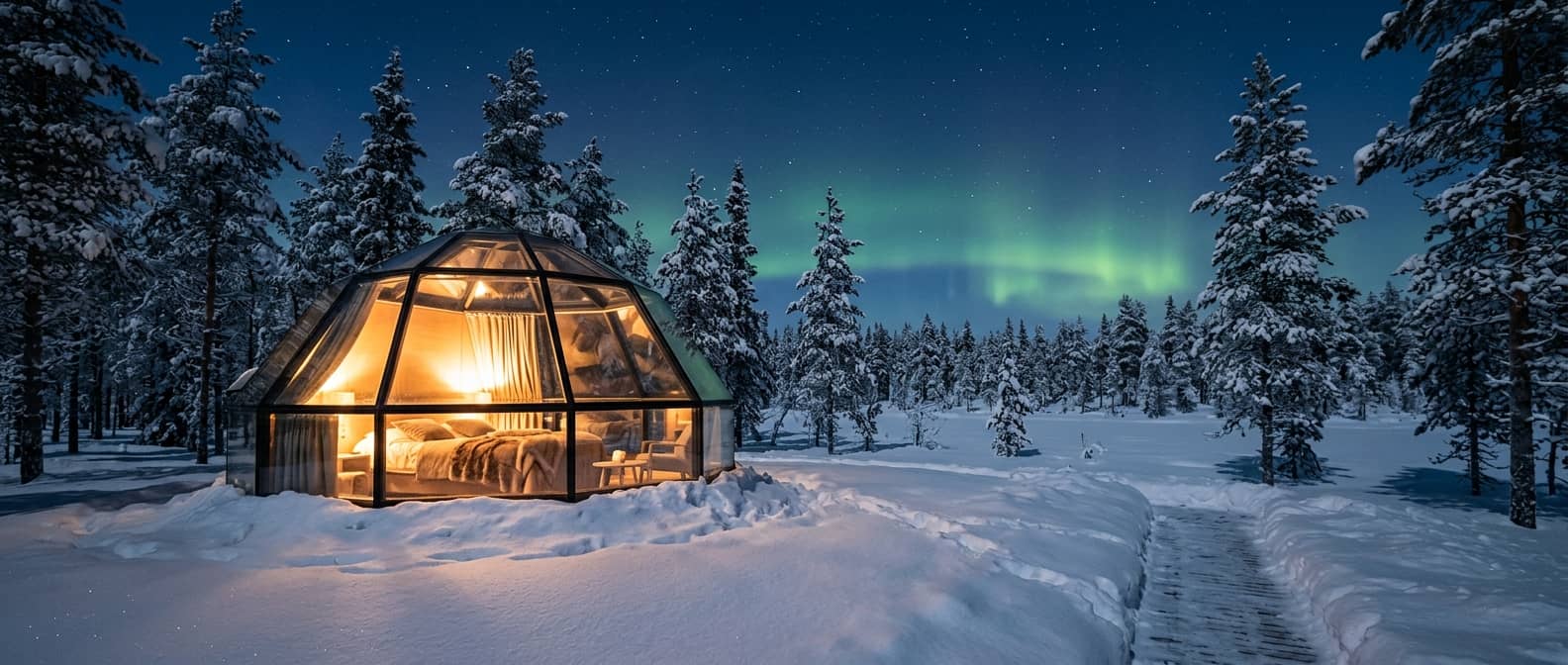
The key is to focus on minimalism. Look for solitary trees, isolated red fishing huts (rorbuer), or the stark patterns of ice on the water’s surface. The blue hour, that magical period of twilight before sunrise and after sunset, offers the most beautiful light, turning the snow a soft, luminous blue. And then there is the aurora. Capturing it requires a tripod, a wide-angle lens, and patience. But the reward—a photograph of those ethereal green ribbons dancing over a silent, frozen fjord—is a memory of a lifetime. The winter light doesn't just illuminate the landscape; it reveals its soul.
Practicalities for the Indian Traveller
A winter trip to Norway from India requires thoughtful preparation. Layering is paramount: start with a high-quality merino wool base layer, add a fleece or down mid-layer, and finish with a waterproof and windproof outer shell. Insulated, waterproof boots with good grip are non-negotiable. Direct flights to Scandinavian hubs like Copenhagen, with easy connections to Oslo and Bergen, are increasingly available, simplifying the journey.
While English is widely spoken, learning a few Norwegian phrases will be warmly received. Be prepared for the quietness of restaurants and public spaces, a contrast to the bustling social environments in India. Finally, embrace the pace. Plans may change due to weather, and that is part of the experience. A Norwegian winter trip is an invitation to slow down, to look closely, and to find the profound beauty in a world at rest.