The air in the Philippines feels different. It hangs heavy and warm, thick with the scent of salt and frangipani, a constant reminder that you are nowhere near the mainland. For years, this sprawling archipelago of over 7,000 islands felt just out of reach for many Indian travelers, a beautiful but complicated proposition involving long layovers and tedious visa applications. It remained the preserve of seasoned divers and backpackers who had time, if not money, to spare. But the winds have shifted.
A New Era of Access
Suddenly, the Philippines has moved from the periphery to the forefront of Southeast Asian travel. The recent announcement of a 14-day visa-free entry policy for Indian passport holders has dismantled the most significant barrier. For those holding valid US, UK, or Schengen visas, this window extends to 30 days. This policy shift, paired with the launch of the first-ever direct flights from Delhi to Manila by Air India starting in October 2025, signals a deliberate and welcome invitation. The journey is no longer an ordeal of connecting flights through Singapore or Bangkok; it is a direct passage to a country that has, until now, been largely overlooked by the luxury sector in India. This newfound accessibility invites a fresh look at what the islands have to offer beyond the usual circuits—a chance to be a first-timer in a place that feels genuinely new.
Manila: Your Gateway to the Islands
Most international visitors will begin their journey in Manila, a city of bewildering contrasts. The relentless energy of the capital can be jarring, but it is also a crucible of history and modernity. To navigate it with ease, consider the city not as a destination in itself, but as a crucial and comfortable transit point. The smart traveler stays in districts like Makati or Bonifacio Global City (BGC), where the chaos gives way to polished hotels, world-class restaurants, and a surprising sense of order. The Grand Hyatt Manila or the Shangri-La at the Fort offer serene bases from which to acclimate. Use your day or two here to adjust to the time zone, perhaps with a quiet visit to the historic walled city of Intramuros or an exploration of the burgeoning contemporary art scene at galleries like Silverlens. A well-planned stopover in Manila transforms it from an obligation into a gentle introduction to the country's multifaceted character before you venture out to the calmer shores of the islands.
Palawan: The Last Ecological Frontier
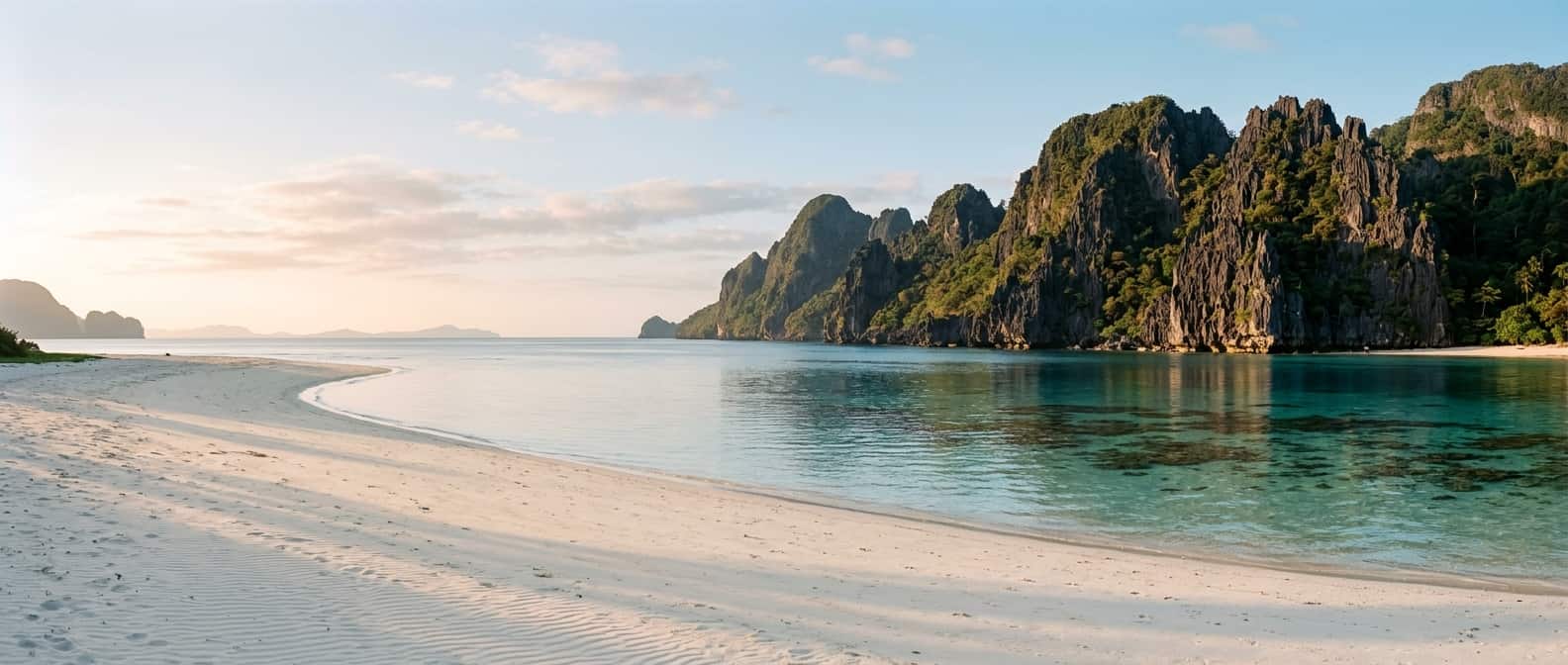
Regularly voted the most beautiful island in the world, Palawan is the jewel in the Philippine crown. This is the Philippines of the imagination: dramatic karst cliffs, hidden lagoons, and water so clear it seems to defy reality. The hub for luxury travel here is the El Nido region. Forget the crowded group tours and instead charter a private boat for the day to explore the quiet corners of the Bacuit Archipelago. Resorts like the El Nido group’s Pangulasian Island—often called the "Island of the Sun"—offer private villas with direct access to pristine beaches, where the only sounds are the gentle lapping of waves and the call of a hornbill. For those seeking ultimate seclusion, Amanpulo on the private island of Pamalican is in a league of its own. It’s an investment, but one that pays dividends in unparalleled service and a profound sense of peace. Palawan isn't just about relaxation; it is an active immersion in one of the planet's last great wildernesses.
Cebu and the Visayas: A Softer Landing
If Palawan is raw, untamed nature, the Visayas region offers a slightly more developed but no less captivating experience. Cebu serves as the central hub, a bustling island with its own international airport, making it an easy alternative to Manila as an entry point. From here, the possibilities are endless. A short ferry ride can take you to Bohol, famous for its otherworldly Chocolate Hills and the tiny, saucer-eyed tarsiers. Siquijor, an island once shrouded in myth and magic, is now opening up to discerning travelers with small, design-forward boutique hotels. For honeymooners or couples, the Shangri-La Mactan in Cebu offers a comprehensive resort experience, with sprawling grounds, a private marine sanctuary, and some of the country's best dining. The Visayas are perfect for travelers who want a blend of high-end comfort and accessible adventure, a place where you can spend the morning exploring a local market and the afternoon in the quiet luxury of your hotel's spa.
Logistics for the Luxury Traveler
Navigating an archipelago requires a bit more planning than a typical land-based journey. Domestic air travel is the backbone of any multi-island itinerary. Airlines like Philippine Airlines and Cebu Pacific offer extensive networks, but it's wise to book flights well in advance, especially during peak season. For shorter hops between islands, fast ferries are a reliable and scenic option. The key to a seamless trip is to not rush. Build in buffer days and avoid scheduling tight connections. It’s also important to remember that while the major tourist hubs are well-appointed, the infrastructure can be less developed in more remote areas. A trusted local travel operator can be invaluable in arranging private transfers, chartering boats, and ensuring that every leg of your journey is smooth and stress-free. Embrace the slower pace; it is an integral part of the island experience.
Beyond the Beach: Culture and Cuisine
While the natural beauty is the main draw, the soul of the Philippines lies in its people and its food. Filipino culture is a complex tapestry of indigenous, Spanish, and American influences, resulting in a warmth and hospitality that is genuinely moving. English is widely spoken, which makes for easy and meaningful interactions. Don't be afraid to step outside the resort. The culinary scene is also having a moment. In Manila, restaurants like Toyo Eatery are receiving global acclaim for their inventive take on traditional Filipino flavors. Even in the provinces, you can find incredible food, from the freshest grilled seafood on the beach to the rich, savory stews that are a staple of local homes. To visit the Philippines without exploring its culture and cuisine is to only see half the picture.
A Note on When to Visit
The best time to visit the Philippines is during the dry season, which runs from November to April. This is when you'll find the sunniest skies and calmest seas, ideal for island hopping and beach activities. The shoulder months of May and November can also be a good time to travel, with fewer crowds and generally pleasant weather. The wet season, from June to October, is best avoided as it can bring typhoons, especially in the northern parts of the country. Planning your trip within this dry window ensures that the islands are at their most idyllic, a true paradise unlocked and ready to be explored.