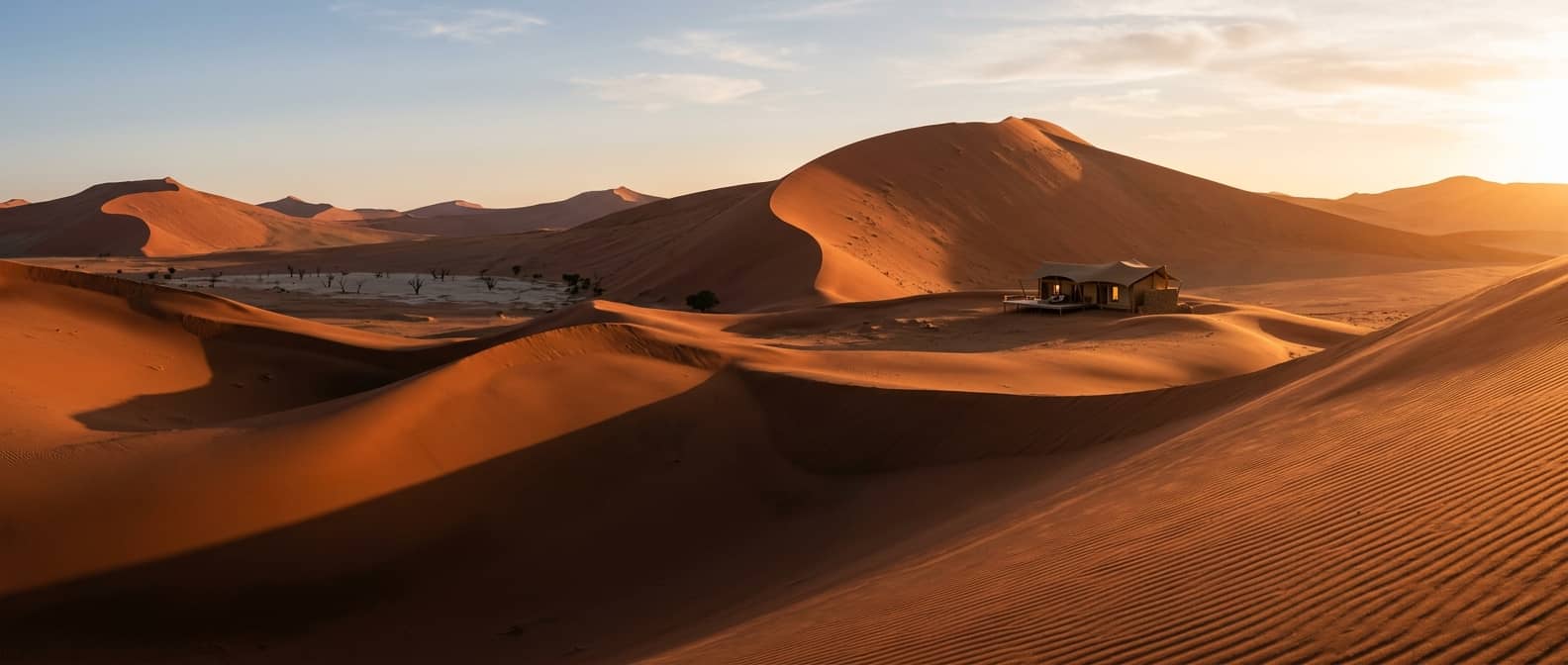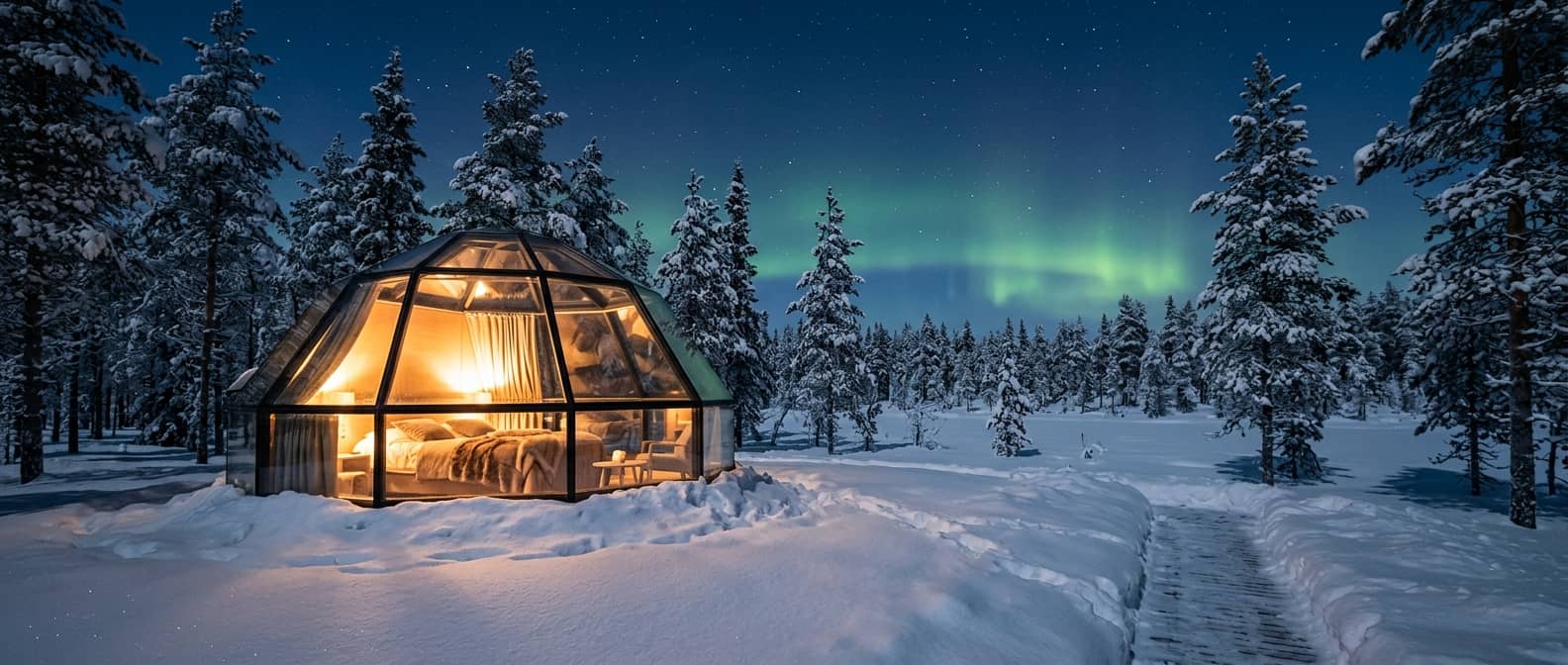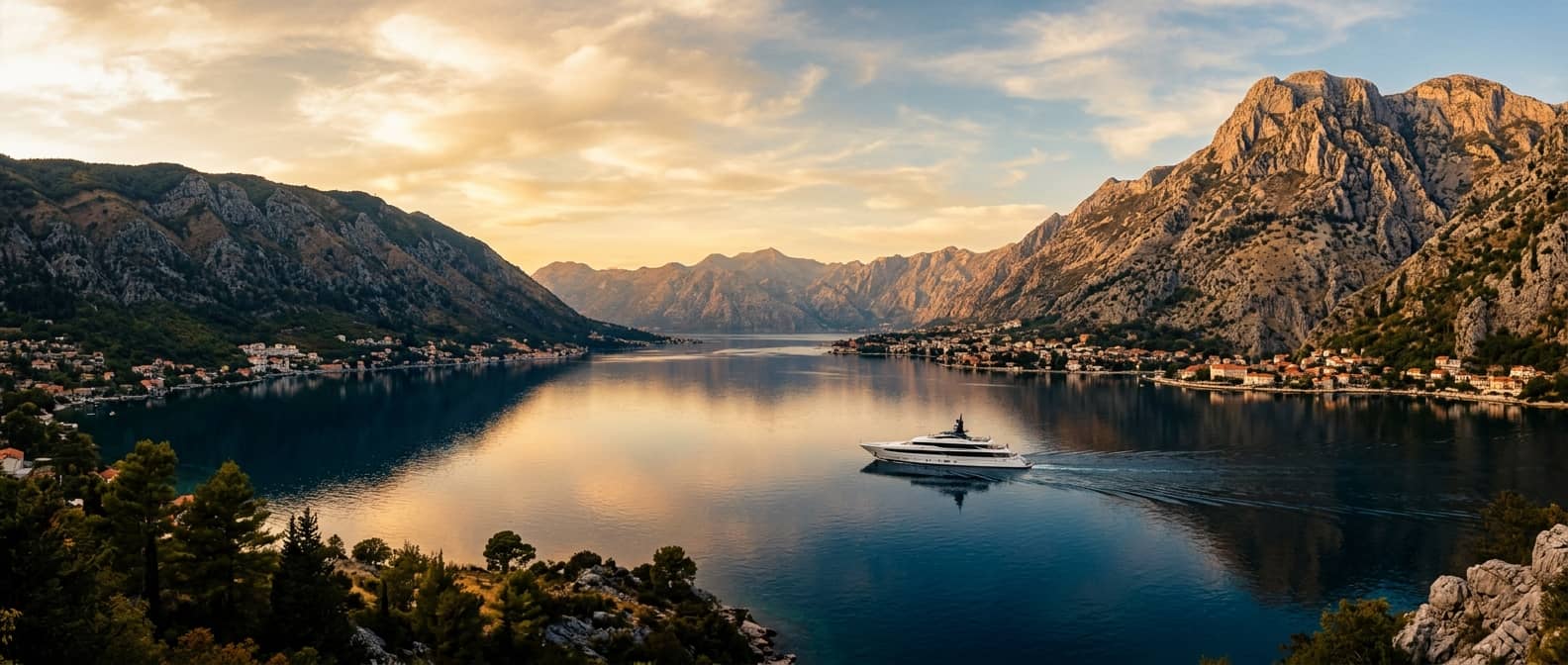
The first thing you notice is the silence. It’s not an absence of sound, but a presence. It’s the whisper of wind over sandstone, the soft crunch of sand underfoot, the low crackle of a fire built from desert brush. This is Jordan—a country that speaks not in languages, but in landscapes. It’s a place of lost cities carved from rock, of seas so buoyant they refuse to let you sink, and of deserts so vast they seem to hold the memory of the universe. For the discerning traveller, it offers a form of luxury that is becoming increasingly rare: the luxury of stillness, of space, of a profound and authentic connection to a land that time has shaped, but not forgotten.
Amman: A Gentle Introduction
Most journeys into Jordan begin in Amman, a city built on seven hills that now sprawls across more than nineteen. It’s a city of contrasts, where the ancient Roman Theatre sits comfortably in the shadow of modern, glass-fronted buildings, and the call to prayer echoes through streets lined with contemporary art galleries. To understand its soul, one must look beyond the bustling capital and find the quiet corners of elegance.
Stay in Jabal Amman, where leafy streets are home to boutique hotels like the Fairmont Amman or the more intimate, art-focused properties that have sprung up in heritage buildings. The city is best explored not through a checklist, but through its flavours. A private food tour through the downtown souks reveals the heart of Jordanian hospitality: the sharp tang of fresh za'atar, the syrupy sweetness of knafeh, the ritual of brewing and sharing cardamom-scented coffee. Amman isn’t a place to rush through; it’s a place to acclimatise, to shed the noise of arrival and tune into the quieter frequency of the kingdom.
The Dead Sea: The Weight of Stillness
A short drive from Amman, the landscape descends dramatically to the lowest point on Earth. The Dead Sea is less a body of water and more a geological marvel. Its surface is a sheet of cobalt, its waters thick with minerals that have drawn travellers and pilgrims for millennia. The experience of floating here is as surreal as promised; the body becomes weightless, held effortlessly by the salt-saturated water.
The luxury here is therapeutic. The world-class resorts that line its shores, such as the Kempinski Hotel Ishtar, have perfected the art of wellness. Days are spent alternating between the buoyant waters of the sea and the mineral-rich mud that leaves the skin impossibly soft. The true indulgence, however, arrives at sunset. As the sun sinks behind the hills of the West Bank across the water, the sea and sky are set ablaze in hues of orange and pink, and the profound quiet of the valley descends. It is a stillness that feels heavy, ancient, and deeply restorative.
Petra: The Rose City in Half-Light
No description can truly prepare you for Petra. The ancient Nabatean city, carved directly into the rose-red cliffs, is a masterpiece of human ingenuity and natural artistry. The approach itself is a masterstroke of theatre: a long walk through the Siq, a narrow, winding canyon whose towering walls obscure the prize until the final moment. Suddenly, the rock parts to reveal the iconic façade of the Treasury, Al-Khazneh, glowing in the filtered light.
To experience Petra’s true luxury is to escape the midday crowds. A private, after-hours tour offers a different perspective. By candlelight, the stones seem to breathe, the intricate carvings telling their stories in hushed tones. Or, for the more adventurous, a guided hike to the Monastery, Ad-Deir, for sunset provides a view that few ever see. As the last rays of light wash over the valley, the city empties, leaving you alone with the ghosts of the Nabateans and the overwhelming scale of their ambition. This is not just sightseeing; it is an audience with history itself.
Wadi Rum: A Silence That Speaks
South of Petra lies the vast, silent valley of Wadi Rum. Described by T.E. Lawrence as "vast, echoing, and God-like," it is a landscape of shifting red sands and monumental sandstone mountains that rise from the desert floor like ships on a becalmed sea. This is the heart of Jordan’s otherworldly beauty, and in recent years, it has become home to some of the most unique and luxurious desert camps in the world.
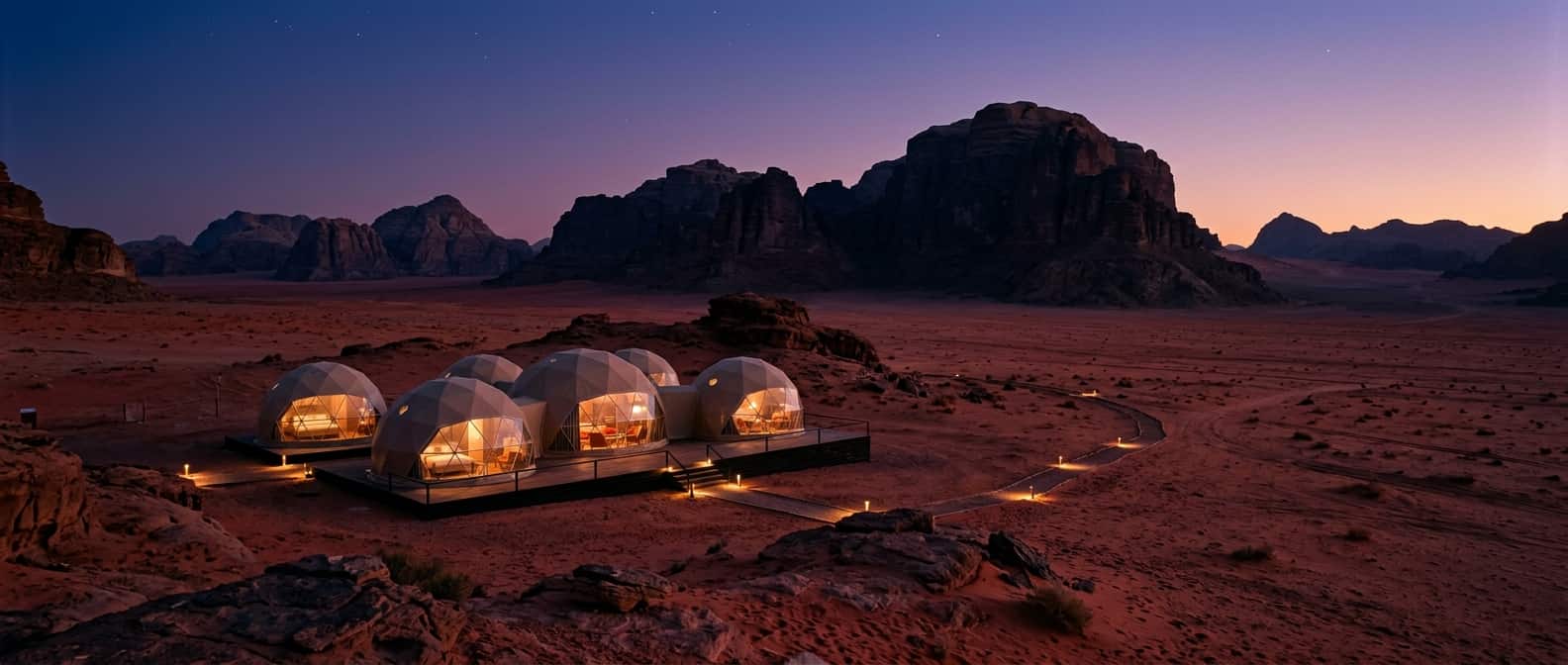
Forget traditional camping. Here, you will find geodesic domes with panoramic windows to the stars and lavishly appointed tents that rival the suites of any five-star hotel. Camps like Memories Aicha Luxury Camp and the futuristic domes of Sun City Camp offer an experience that is both raw and refined. Days are spent exploring the canyons by 4x4, tracing ancient petroglyphs, or simply watching the play of light and shadow on the rocks. As night falls, the desert reveals its final, breathtaking secret: a canopy of stars so bright and clear it feels as though you could reach out and touch the Milky Way. This is the essence of desert luxury—not opulence, but an overwhelming sense of perspective.
The Art of Bedouin Hospitality
Underpinning any luxury experience in Jordan is the warmth of its people. The Bedouin, the traditional inhabitants of the desert, have a code of hospitality that is as much a part of the landscape as the sand itself. It is a genuine, unforced generosity that transforms a simple meal into a banquet and a cup of tea into a welcome.
In Wadi Rum, this hospitality is the final layer of luxury. A traditional zarb dinner—where lamb and vegetables are slow-cooked in an underground oven—is more than a meal; it’s a communal experience shared under the stars. Sitting by the fire, listening to stories passed down through generations, you are not a tourist, but a guest. It is this human connection, in this vast and ancient land, that leaves the most lasting impression.
Planning Your Jordanian Escape
Jordan is a country for all seasons, but the shoulder months of spring (March to May) and autumn (September to November) offer the most pleasant climate for exploration. A week is enough to experience the highlights, but ten days allows for a more relaxed pace, with time to truly absorb the silence of the desert and the stillness of the Dead Sea. The country is well-equipped for luxury travel, with high-quality guides, private drivers, and a portfolio of world-class hotels and camps.
To travel through Jordan is to travel through time, to witness the rise and fall of empires, and to stand in awe of landscapes that defy description. It is a journey that recalibrates the senses, reminding you that sometimes, the greatest luxury is not what you can buy, but what you can feel: the warmth of the desert sun, the buoyancy of the sea, and the profound, humbling silence of a world apart.