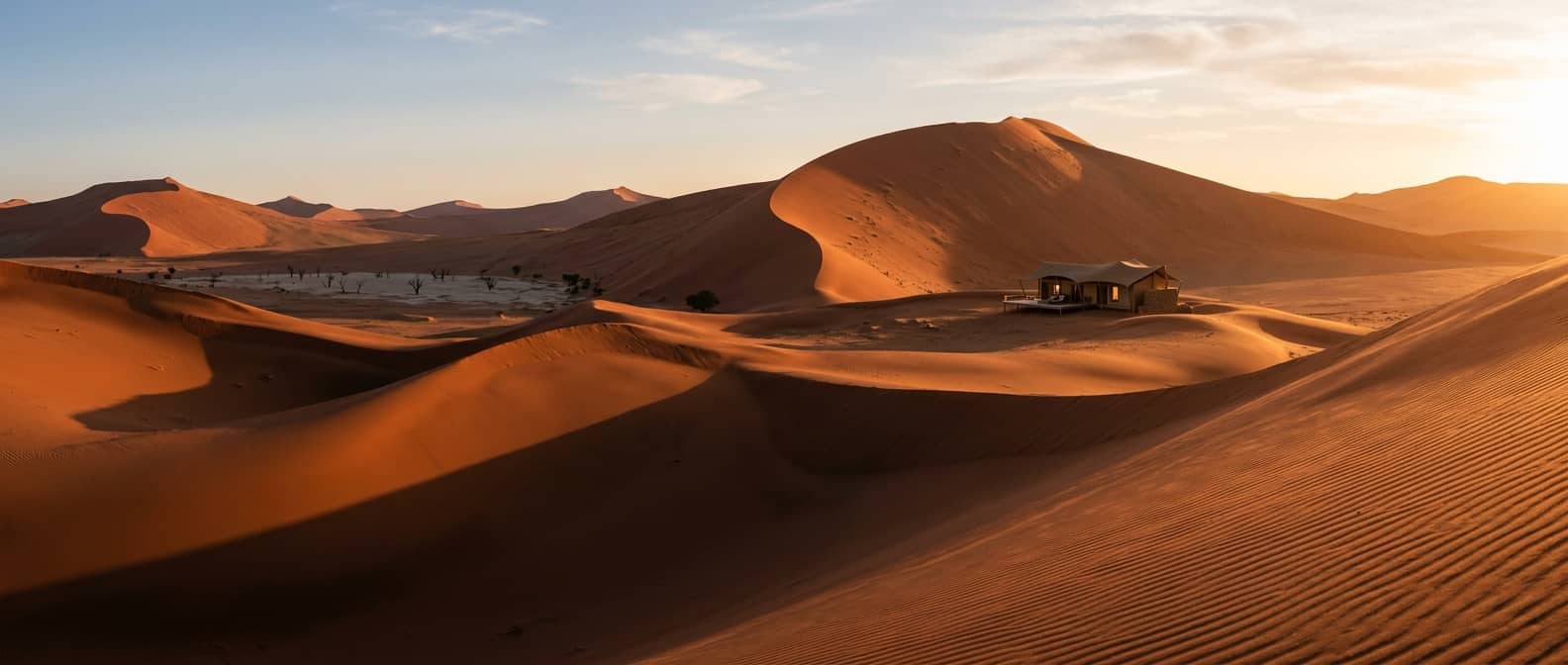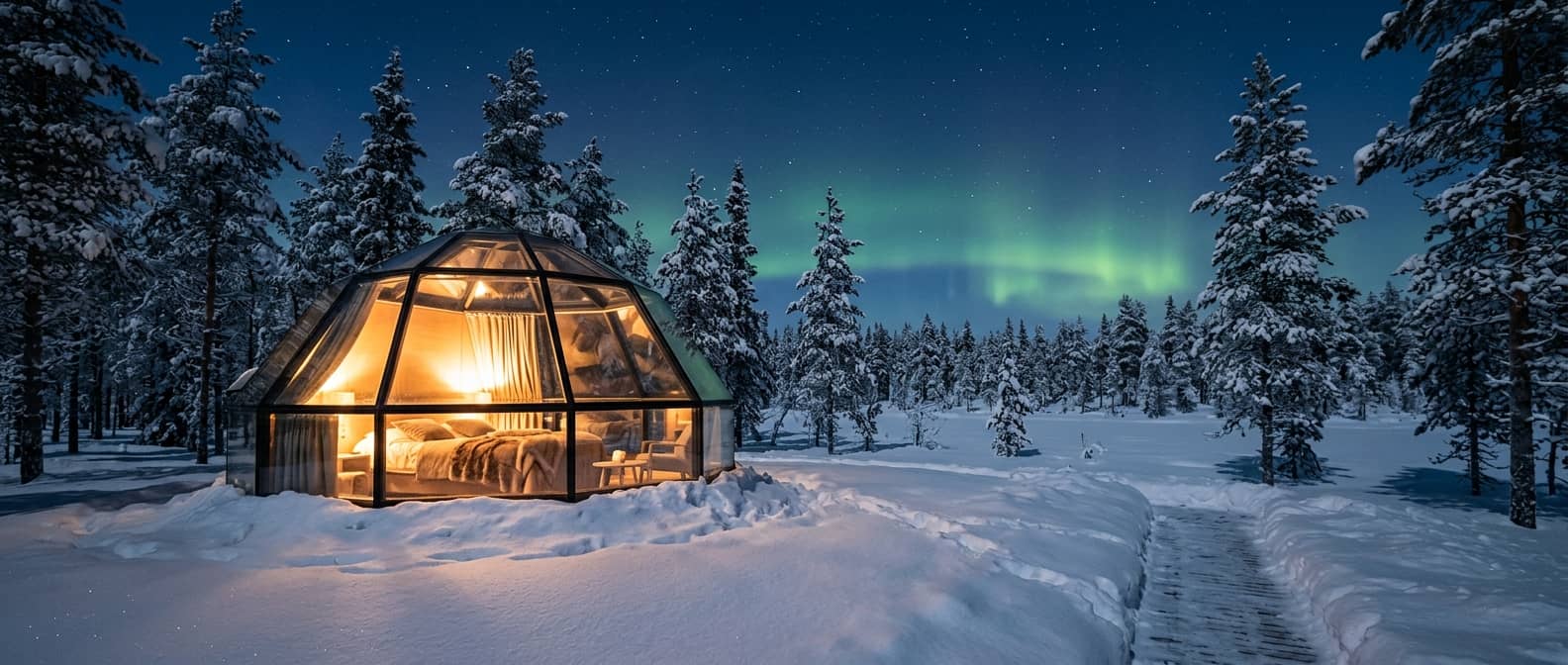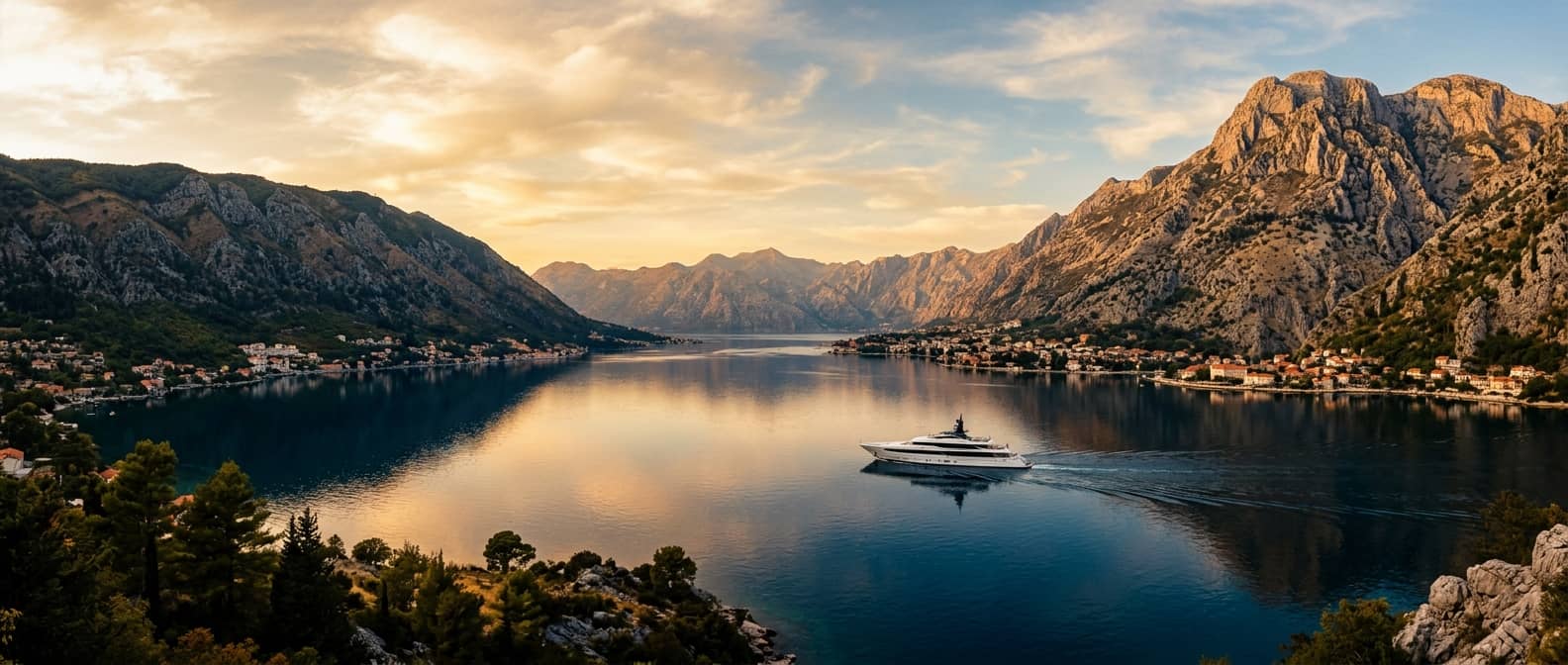
The silence of the Namib is not empty; it is a weight, a physical presence that settles over the burnt-orange dunes like a heavy linen sheet. As the sun dips below the horizon in Sossusvlei, the sand transitions from a fiery copper to a bruised purple, and the only sound is the rhythmic whistle of the wind carving new patterns into the ancient landscape. This is a place where the concept of 'luxury' is stripped of its gilded clichés and redefined through the lens of profound isolation and architectural restraint.
For the affluent Indian traveler who has already checked into the palace hotels of Rajasthan and the private islands of the Maldives, Namibia represents the next frontier. It is a destination for the 'collector' of experiences—those seeking a landscape that looks less like Earth and more like a high-definition rendering of Mars. Here, the draw is not just the wildlife, but the way humans have built within the void.
The Call of the Red Sands: Why Namibia is the New 'Quiet Luxury' Frontier
The global shift toward 'quiet luxury' and 'slow travel' has found its spiritual home in the Namib Desert. While traditional African safaris in Kenya or South Africa are defined by the density of the Big Five, a Namibian safari is defined by the density of the experience. It is about the scale of the landscape and the exclusivity of having a million-acre private reserve virtually to yourself.
In recent years, a new wave of high-design lodges has transformed Namibia into an architectural pilgrimage. These are not mere hotels; they are sculptural interventions designed to vanish into the desert or stand in stark, beautiful contrast to it. For the Indian ultra-HNI, this is the ultimate 'un-destination'—a place to disappear entirely from the hyper-connected world.
Sossusvlei: Living Inside the World’s Tallest Dunes at Little Kulala
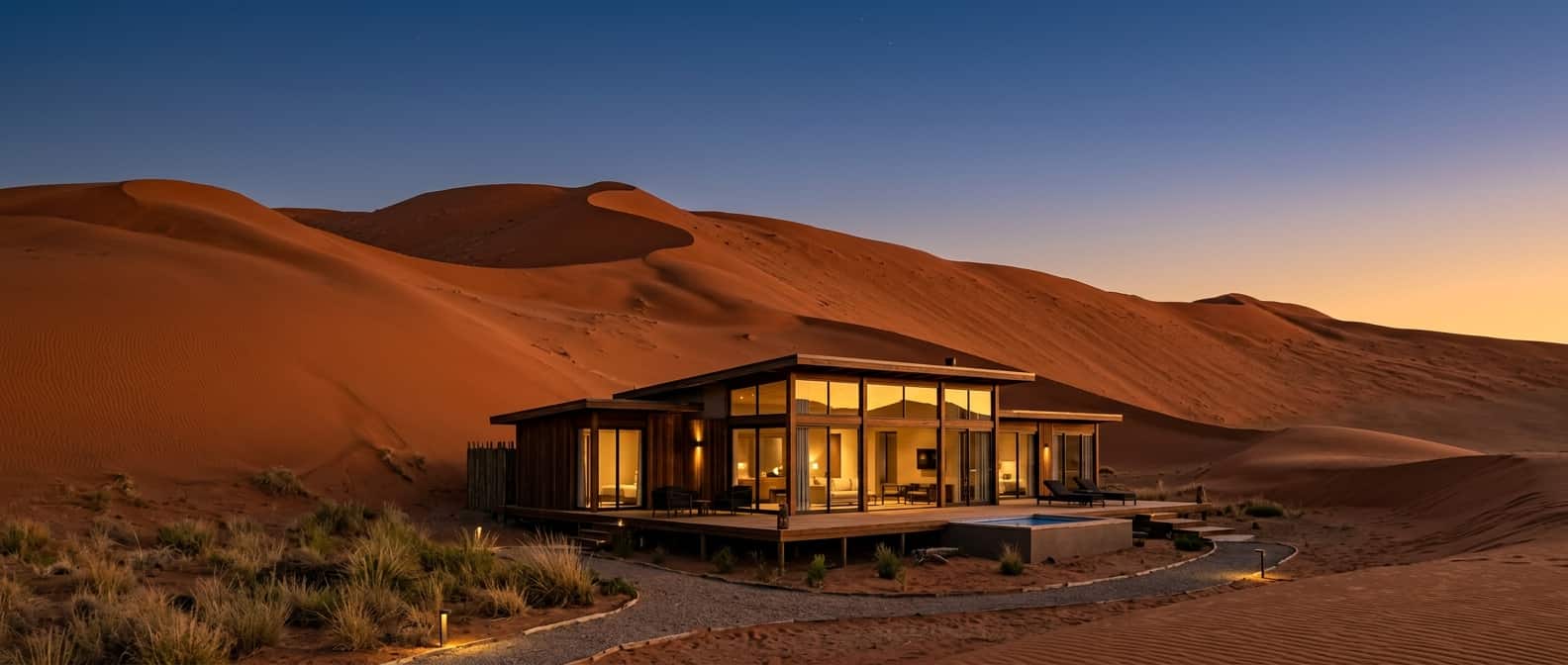
The gateway to the Namib is Sossusvlei, home to some of the highest sand dunes on the planet. To stay here is to live within a geometry of light and shadow. Little Kulala, a flagship property by Wilderness, recently underwent a redesign that perfectly captures the Namibian aesthetic. The villas, or 'kulalas', are inspired by the shape of the dead-tree valleys (Deadvlei) nearby, with bleached wood and organic textures.
Each villa features a rooftop 'skybed' for stargazing and a private plunge pool that looks out over the orange expanse. The luxury here is found in the details: the way the morning light hits the textured walls, the private entrance into the Namib-Naukluft National Park that allows guests to reach the dunes before the crowds, and the quiet efficiency of a team that anticipates your need for a sundowner gin and tonic just as the dunes catch fire at dusk.
The Skeleton Coast: Shipwreck Architecture and the Art of Coastal Isolation
Further north lies the Skeleton Coast, a haunting stretch of Atlantic shoreline where the desert meets a cold, turquoise sea. It is a place of shipwrecks, whale bones, and ghost stories. The most iconic stay here is Shipwreck Lodge, located within the Skeleton Coast Central Concession.
The architecture is a masterclass in narrative design. Each cabin is shaped like the hull of a stranded ship, tilted at an angle as if half-buried in the sand. Inside, the luxury is surprisingly warm—faux-fur throws, wood-burning stoves, and expansive windows that frame the shifting fog of the Atlantic. It is one of the most remote places on Earth, accessible only by a light aircraft flight that offers a bird's-eye view of the desert’s undulating patterns and the seals that line the shore.
Hoanib Valley: Tracking Desert-Adapted Wildlife from High-Design Outposts
While Namibia is primarily about landscape, the Hoanib Valley offers a rare glimpse of desert-adapted wildlife. Here, elephants have evolved longer legs to navigate the dunes, and lions have learned to hunt along the beaches. Staying at Hoanib Valley Camp is an exercise in sustainable luxury. The camp is a joint venture between Natural Selection and the local community, featuring just six guest tents that sit on raised decks.
The design is inspired by the textures of the Himba people, with neutral tones and locally sourced materials. Days are spent tracking elephants through dry riverbeds or visiting Himba settlements, where the ancient traditions of Namibia’s nomadic herders remain largely unchanged. It is a profound juxtaposition: the cutting-edge design of the camp against a culture that has lived in harmony with this harsh land for centuries.
Navigating the Vastness: The Practicalities of a Namibian Flying Safari
Given the immense distances between these pockets of luxury, the only way to experience Namibia properly is via a private flying safari. This is where the logistical expertise of a dedicated travel partner becomes essential. Small Cessnas or Pilatus PC-12s act as your private taxis, skipping over the bumpy gravel roads and turning travel time into a scenic tour of the country’s geology.
For the Indian traveler, this mode of transport offers the efficiency required for a 10-to-12-day itinerary. It allows for a seamless transition from the red dunes of the south to the white salt pans of Etosha National Park in the north, all while maintaining a level of comfort and privacy that matches the lodges themselves.
The Solitude of the Stars: Why the Namib Desert is the World's Best Dark Sky Reserve
As night falls over the Namib, the true masterpiece is revealed. Namibia is home to some of the world's few International Dark Sky Reserves. With virtually zero light pollution, the Milky Way doesn't just appear; it dominates the sky, casting a soft glow over the dunes.
Most high-end lodges, including Little Kulala and Zannier Hotels Sonop, are built with astronomy in mind. Whether it’s an on-site observatory with a resident astronomer or simply a bed rolled out onto a private deck, the experience of sleeping under this canopy is humbling. It is the final, most potent reminder of Namibia’s greatest luxury: the space to be still, the silence to hear one’s own thoughts, and a perspective that is, quite literally, out of this world.
Sources
- India’s Ultra-HNIs Looking For Curated Experiences — Context for the shift toward experiential luxury among Indian high-net-worth individuals.
- How South Africa’s Experiential Luxury Is Changing The Way Indians Travel — Insights into the growing popularity of Southern Africa as a high-end destination.
- The Biggest Travel Trends of 2026 — Verification of the 'quiet luxury' and 'slow travel' movements.
- Wilderness Little Kulala — Specific details on the architectural redesign and guest experience in Sossusvlei.
- Shipwreck Lodge — Details on the unique architecture and isolation of the Skeleton Coast.