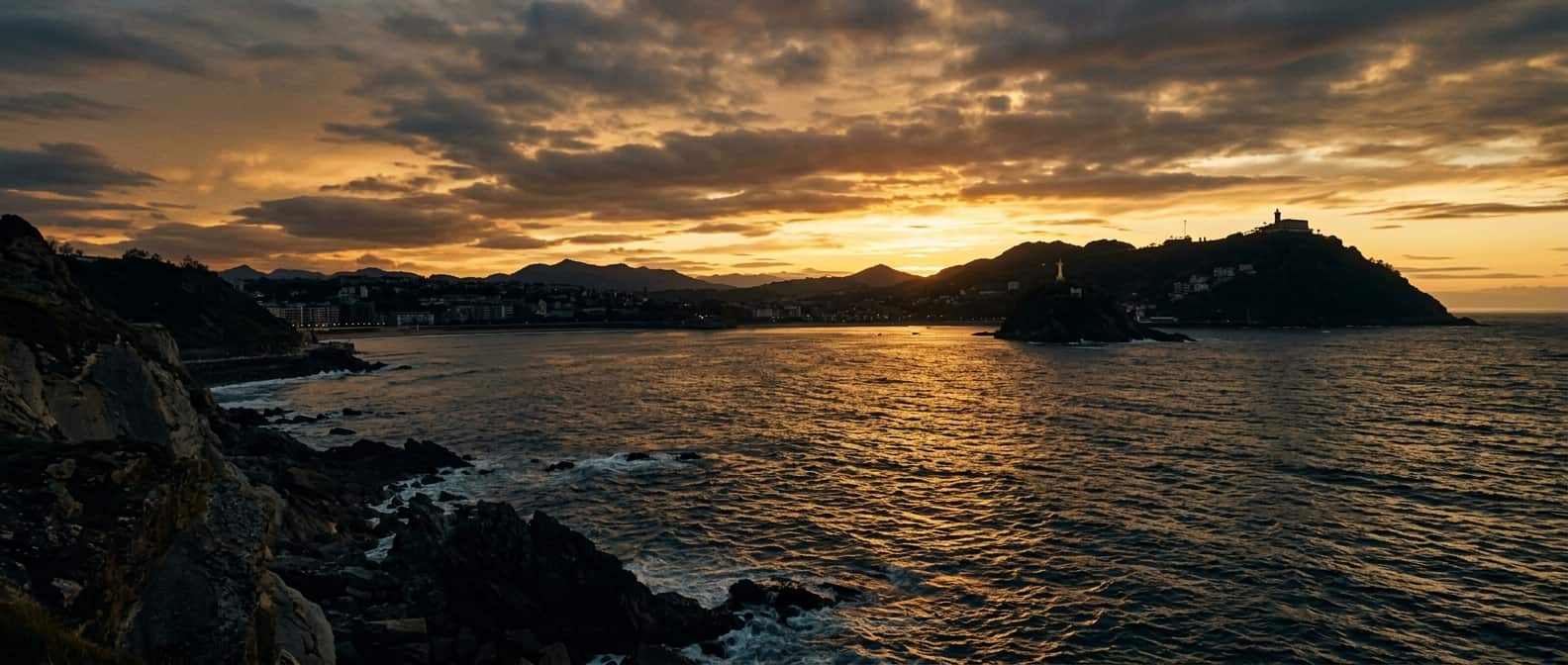
The scent of salt spray mingling with woodsmoke is the first thing you notice upon arriving in the Basque Country. Here, tucked between the Pyrenees and the restless Bay of Biscay, lies a region that measures time not in hours, but in harvests, vintages, and tides. San Sebastián is not merely a destination; it is an ongoing, obsessive dialogue with the land and the sea.
The Basque Difference
Southern Spain offers flamenco and sun-drenched siestas, but the north demands a different rhythm. The Basque Country, or Euskadi, is fierce, verdant, and intensely proud. Its luxury is not found in ostentatious displays of wealth, but in access—to the freshest catch, the most closely guarded wine cellars, and the private dining societies (txokos) that form the beating heart of local culture. For the affluent Indian traveller accustomed to the predictable five-star circuits of Paris or Rome, San Sebastián offers something far rarer: an uncompromised, authentic devotion to craft.
A Constellation of Stars: Dining in San Sebastián
No city on earth, save perhaps Kyoto, claims more Michelin stars per capita. Dining here is a pilgrimage. At Arzak, a family-run institution, culinary alchemy transforms local squid and hake into avant-garde masterpieces without ever losing sight of their Basque roots. Meanwhile, at Akelaŕe, panoramic views of the Cantabrian Sea compete only with Pedro Subijana’s visionary tasting menus. Securing a table at these establishments requires months of foresight, but the reward is a multi-sensory education in what gastronomy can achieve when untethered from convention.
The Architecture of Wine: Rioja Alavesa
Just a short drive south brings you into the Rioja Alavesa. This is where tradition collides spectacularly with modern design. Ancient vineyards roll toward the horizon, punctuated by startling architectural statements. The Marqués de Riscal winery, with its undulating titanium ribbons designed by Frank Gehry, and the Ysios winery by Santiago Calatrava, serve as bold monuments to the region's liquid gold. Private tastings here, arranged far from the crowds, reveal robust Tempranillos and nuanced Viuras that rarely make their way onto international export lists.
Coastal Stillness: The Bay of Biscay
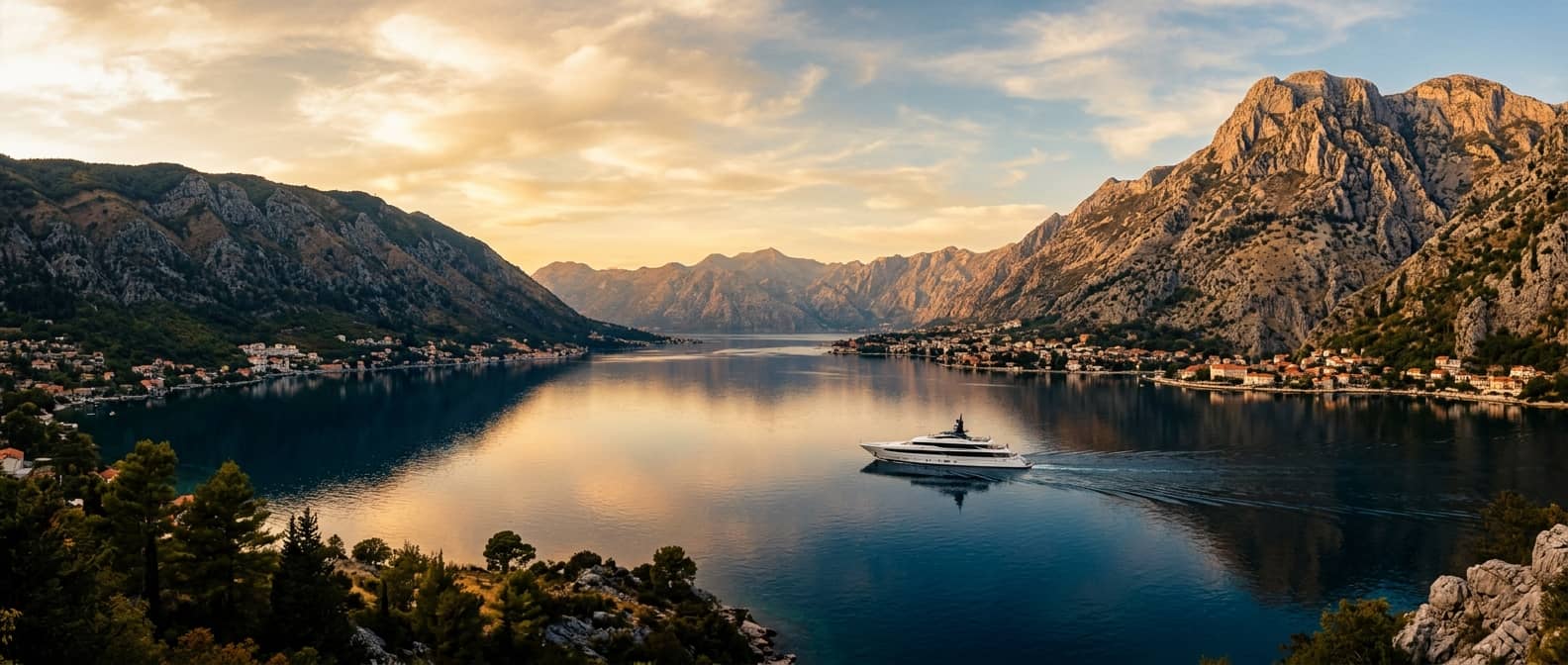
Away from the dining rooms, the true luxury of San Sebastián is its geography. The sweeping crescent of La Concha beach is arguably Europe's most elegant urban shoreline. But true seclusion is found slightly further out. Chartering a private yacht to navigate the rugged cliffs of the Bay of Biscay offers a perspective few visitors ever see. The water here is cold, deep, and wild, providing a dramatic counterpoint to the refined elegance of the Belle Époque architecture that lines the promenade.
The Art of the Pintxo
To dine exclusively in Michelin-starred temples is to miss the soul of the city. The Parte Vieja (Old Town) comes alive in the early evening with the ritual of the pintxo. This is not mere tapas; it is miniature haute cuisine. The protocol is swift and social: a glass of lightly sparkling Txakoli wine poured from a height, a solitary bite of sea urchin or slow-cooked veal cheek, and then movement to the next tavern. It is a kinetic, joyful approach to dining that demands participation.
Beyond the Plate: Art and Architecture
The Basque commitment to pushing boundaries extends beyond the kitchen. A day trip to Bilbao to experience the Guggenheim is essential, but local art is equally compelling. Eduardo Chillida’s Comb of the Wind—massive steel sculptures anchored into the coastal rocks—channels the power of the sea into a profound artistic statement. It is a reminder that in San Sebastián, nature and human ingenuity are not competing forces, but partners in an ongoing masterpiece.
The Basque Country does not shout for attention. It waits, quietly confident, for those discerning enough to seek out its extraordinary secrets.